Ubinas (Pérou)

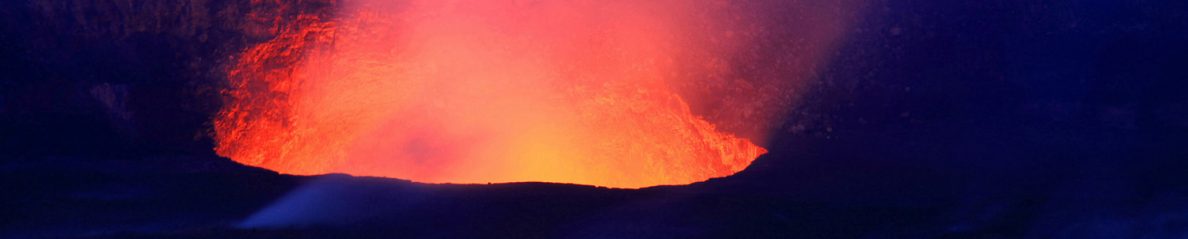
drapeau francaisSelon un rapport de l’Observatoire Volcanologique de l’INGEMMET ( OVI ), l’Ubinas reste très actif. Un dôme de lave d’une centaine de mètres de diamètre continue à croître à l’intérieur du cratère. L’activité sismique est intense avec plusieurs centaines d’événements LP associés à des mouvements de fluides à l’intérieur de l’édifice et quelques événements VT associés à des fracturations de roches. Des gaz bleuâtres ont été observés jusqu’à 1300 mètres au-dessus du bord de la caldeira. Les émissions de SO2 ces derniers jours avaient des valeurs moyennes de 2200 tonnes par jour.
D’autre part, du 25 au 29 Mars, une brigade de OVI a sensibilisé la population et les autorités à la prévention en cas d’éruption volcanique, avec simulations d’évacuation.

 —————————————————

drapeau anglaisAccording to a report by the Volcanological Observatory of INGEMMET (OVI), the Ubinas volcano remains very active. A lava dome about a hundred meters in diameter continues to grow inside the crater. Seismic activity is intense with several hundred LP events associated with fluid movements inside the edifice and some VT events associated with rock fracturing. Bluish gas was observed up to 1300 meters above the edge of the caldera. SO2 emissions in recent days had mean values ​​of 2200 tonnes per day.
Besides, from March 25th to 29th, an OVI team raised the awareness of the population and the authorities to the precention in case of a volcanic eruption, with evacuation simulations.

Ubinas (Pérou)

drapeau francaisDans une note publiée le 6 mars dernier, j’indiquais que les scientifiques en charge de l’Ubinas avaient officiellement recommandé l’évacuation de Querapi, la ville la plus proche du volcan. En effet, on observe actuellement une montée de magma ainsi que des modifications dans la morphologie du cratère.

Les volcanologues péruviens ont visité le cratère le 1er et le 2 mars. Ils ont pu observer une nouvelle masse de lave incandescente d’une quarantaine de mètres de longueur qui émettait des gaz bleutés. Un pilote a fait état d’un nuage de cendre à 8 km d’altitude le 7 mars, mais le VAAC de Buenos Aires n’a rien distingué de semblable sur les images satellitaires.

————————————————-

drapeau anglaisIn a note released on March 6th, I indicated that scientists monitoring Ubinas had officially recommended that Querapi, the town closest to the volcano be evacuated. Indeed, magma has been detected rising within the volcano, as well as changes in the physical shape of the crater.

Peruvian volcanologists visited the crater on March 1st and 2nd. They observed a new body of incandescent lava that was about 40 metres long and emitted bluish gas. A pilot reported an ash plume at an altitude of 8 km on March 7th but the Buenos Aires VAAC said there was no indication of ash in satellite images.

Ubinas-blog

L’Ubinas vu depuis l’espace en janvier 2014  (Crédit photo:  NASA)

Ubinas (Pérou): Une éruption à court terme? // An eruption in the short term?

drapeau francaisSelon la presse péruvienne, les scientifiques en charge de l’Ubinas ont officiellement recommandé l’évacuation de Querapi, la ville la plus proche du volcan.
En effet, on observe actuellement une montée de magma ainsi que des modifications dans la morphologie du cratère. Ces paramètres indiquent une augmentation du risque d’activité explosive.
Tout en recommandant l’évacuation de Querapi, l’Institut Géophysique du Pérou (IGP) a également demandé au gouvernement régional d’effectuer des travaux d’entretien sur les routes à proximité du volcan. Elles seraient utilisées en cas d’évacuation si le volcan venait à se manifester. L’IGP demande également de restreindre l’accès au volcan.
Les habitants de Querapi seront relogés temporairement à Sacoaya, une ville située à environ 12 kilomètres de l’Ubinas.
En Septembre 2013, quand l’Ubinas s’est réveillé après plusieurs années de repos, les autorités avaient déjà eu l’intention de déménager définitivement Querapi qui est située à seulement cinq kilomètres du volcan. A cette époque, les retombées de cendre sur la ville avaient provoqué des problèmes respiratoires et gastro-intestinaux chez les humains et les animaux.

http://www.dailymotion.com/video/x146fdw_perou-le-volcan-ubinas-entre-en-eruption-et-crache-un-gigantesque-nuage-de-cendres_news

 ———————————————-

drapeau anglaisAccording to the Peruvian press, scientists monitoring Ubinas have officially recommended that Querapi, the town closest to the volcano be evacuated.

Indeed, magma has been detected rising within the volcano, as well as changes in the physical shape of the crater. These signs point to a possible increase in explosive activity.

As well as recommending the evacuation of Querapi, the Peruvian Geophysical Institute (IGP) has also asked the regional government to perform maintenance work on nearby roads that would be used to escape the area in the event of dangerous activity at the volcano site, as well as restricting access to the volcano itself.

Querapi residents will be temporarily moved to Sacoaya, a town about 12 kilometers from Ubinas.

In September 2013, when Ubinas became active after several years of dormancy, authorities were planning to permanently relocate Querapi which is located just five kilometers from the volcano. By that time, explosions spewed ash over the town, causing respiratory and gastrointestinal irritation in humans and animals alike.

http://www.dailymotion.com/video/x146fdw_perou-le-volcan-ubinas-entre-en-eruption-et-crache-un-gigantesque-nuage-de-cendres_news