 Des séances de sensibilisation ont eu lieu à Ambae à propos du déroulement de l’évacuation des 11 000 habitants de l’île, soit environ 4% de la population totale du Vanuatu. Il a été indiqué que 28 patients ont été transférés des hôpitaux de Lolowai et Nduindui à Ambae vers l’hôpital du district nord de Luganville, à Santo. Une attention particulière est également accordée aux lycéens d’Ambae qui vont passer leur examen de fin de scolarité.
Le comité de gestion des catastrophes à Ambae est mécontent de la politique suivie par le Bureau national (NDMO) qui, soi disant, ne prend pas au sérieux l’état d’urgence. Le comité accuse le NDMO de ne pas avoir fait grand-chose depuis que les mesures de transfert de population de l’ouest vers l’est d’Ambae ont été décrétées mardi dernier.
Des organisations appartenant à la société civile viennent en aide aux évacuations d’Ambanga vers Lolopuepue, et les autres îles du Vanuatu apportent leur aide elles aussi. Le gouvernement néo-zélandais a fourni des purificateurs d’eau à ceux qui en ont besoin, tandis que le gouvernement australien fournit de l’eau, des trousses d’hébergement et des équipements d’urgence. Ce dernier point est important car des épidémies de diarrhée et de vomissements ont été signalées chez certains enfants qui ont été déplacés vers les centres d’hébergement provisoire, probablement en raison de leur surpopulation. Le Conseil des ministres est convenu de la nécessité de déménager les gens d’Ambae alors que personne ne peut prévoir comment se comportera le volcan dans les prochains jours.
Source: Vanuatu Digest.
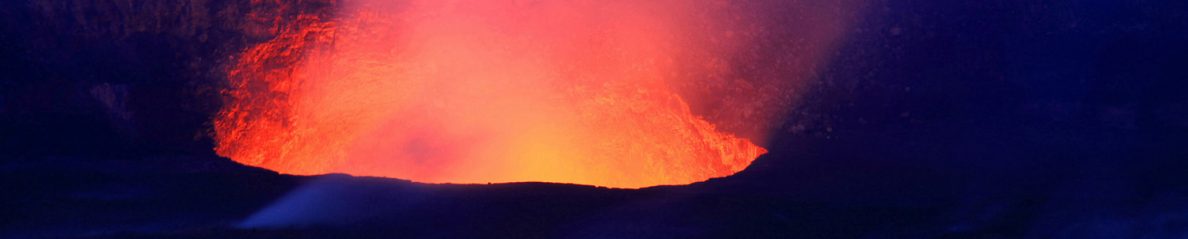
Voici quelques vues du volcan Manaro Voui proposées par la presse philippine:
—————————————-
 Awareness sessions have been taking place across Ambae to discuss how the evacuation of Ambae’s 11,000 residents (about 4% of Vanuatu’s total population) will proceed. 28 patients are being transferred from Lolowai and Nduindui hospitals on Ambae to the Northern District Hospital at Luganville, Santo. Special attention is being given to Ambae’s senior examination year high school students as well.
The Ambae Disaster Committee is said to be unhappy with the efforts of the National Disaster Management Office (NDMO) which, they feel, is not taking the state of emergency seriously. They have not seen the NDMO achieving much since their announcement of relocations from west to east Ambae last Tuesday.
Civil society organisations are assisting with evacuations from Ambanga to Lolopuepue, and Vanuatu’s neighbours are also assisting: the New Zealand Government is providing water purifiers for those needing them, while the Australian Government is providing water, shelter kits and emergency rations. This is important, as outbreaks of diarrhoea and vomiting have been reported in some children who have been moved to evacuation centres, possibly due to the overcrowded conditions. The Council of Ministers has agreed on the need to move people out of Ambae, but nobody can predict what the volcano will do next.
Source : Vanuatu Digest.

Source: NASA


 Claude Grandpey : Volcans et Glaciers