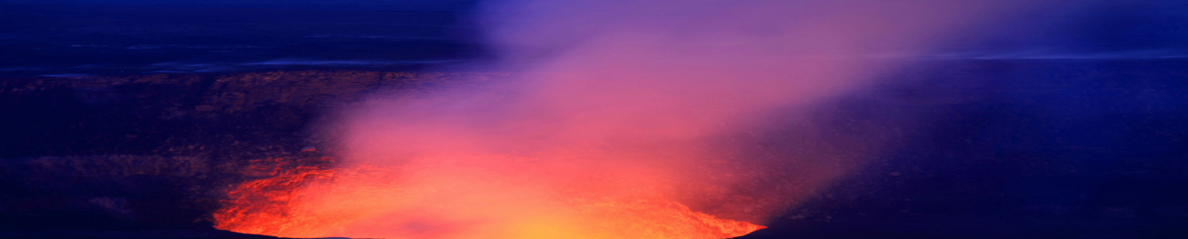
 Comme je l’indiquais précédemment, le niveau d’alerte du Tongariro a été revu à la baisse (niveau 1) et les autorités locales envisagent de rouvrir les sentiers qui ont dû être fermés suite à l’éruption du 6 août. Toutefois, une zone à risques de 3 km reste en place autour du volcan et sa réouverture ne pourra se faire que lorsque les résultats des analyses de gaz et de cendre permettront de comprendre comment la situation volcanique est susceptible d’évoluer.
Il faudra attendre quelque temps pour accéder au sentier du Tongariro Alpine Crossing. Il faudra d’abord sécuriser le parcours et réparer les dégâts causés par l’éruption. Toutes les autres infrastructures du Tongariro national Park fonctionnent normalement.
Source : New Zealand Herald.
 The alert level for Mt Tongariro has been reduced and officials are looking at reopening tracks which have been closed since the mountain’s eruption on August 6th. However, the 3-km hazard and risk zone will remain in place for some time and will only be reduced once authorities have further information and a better understanding of the gas and ash composition to determine possible future scenario probabilities.
The Tongariro Alpine Crossing as a whole will take longer to re-open as facilities and tracks need to be made safe. Planning has begun to repair the damaged tracks and facilities.
All other facilities, activities and alternative walking tracks are fully operational within the Tongariro National Park.
Source : New Zealand Herald.

(Photo: C. Grandpey)

 Le Tongariro a émis un peu de cendre pendant les jours qui ont suivi l’éruption mais aucune nouvelle activité n’a été observée ces derniers jours. L’activité sismique est redevenue normale. En conséquence, le niveau d’alerte a été abaissé de 2 (petite acticité éruptive) à 1 (signes d’acticité volcanique). Toutefois, la couleur du niveau d’alerte pour l’aviation reste Jaune (le volcan connaît une activité supérieure à la normale).
 Minor amounts of ash were emitted from Tongariro during the first few days after the eruption, but there had been no new activity recently. Seismic activity has returned to normal low levels. As a consequence, the alert level has been reduced from level 2 [minor eruptive activity] to level 1 [signs of volcano unrest]. The aviation colour code which indicates that the “Volcano is experiencing signs of elevated unrest above known background levels” remains at Yellow.
 Rien de nouveau sur le Tongariro et à White Island. Le mauvais temps qui sévit actuellement dans la région du Tongariro n’a pas permis aux scientifiques de GeoNet de se rendre sur le terrain. A noter que depuis le 13 août la couleur du niveau d’alerte pour l’aviation à White Island a été ramené à la couleur Jaune. Tongariro et White Island ont désormais des niveaux d’alerte identiques : 2 / Jaune.
 The situation is stable both on Tongariro and White Island. The bad weather that currently affects the Tongariro area prevented GeoNet scientists from visiting the volcano. Since August 13th, the aviation colour code for White island has been lowered to Yellow. This means Tongariro and White Island now have the same alert levels: 2 / Yellow.
 Claude Grandpey : Volcans et Glaciers