 Suite au puissant séisme de M8,8 au large du Kamchatka, une alerte tsunami a été déclenchée à Hawaii peu avant 15 heures le 29 juillet 2025. Mais tout ne s’est pas passé comme prévu. La presse hawaïenne parle d’un « désastre ». À Honolulu, en particulier sur Waikiki, le trafic s’est retrouvé à l’arrêt avec des embouteillages monstres, tandis que les sirènes hurlaient, invitant la population à s’éloigner du littoral. Dans le même temps, le National Weather Service diffusait le message suivant : « Un tsunami s’est produit et pourrait causer des dégâts le long des côtes de toutes les îles de l’État d’Hawaï. Des mesures urgentes doivent être prises pour protéger les vies et les biens.»
Les premières prévisions annonçaient une série de vagues puissantes susceptibles de frapper l’archipel à partir de 19 h, avec risque d’inondation des côtes à grande échelle et d’importantes quantités de débris qui « amplifieraient leur pouvoir destructeur ».
Une carte d’évacuation publiée par le Service montrait de vastes « zones rouges » annulaires le long de la côte de chaque île. Les habitants de ces zones avaient pour instruction de se réfugier au quatrième étage ou plus d’un immeuble, ou de quitter carrément la zone.
Le 29 juillet au soir, les autorités ont annoncé qu’aucun tsunami majeur ne toucherait l’archipel hawaïen. L’alerte a été revue à la baisse et les ordres d’évacuation ont été annulés dans tout l’État.
Une vidéo prise par un téléphone portable et partagée sur les réseaux sociaux montre des rues embouteillées, avec des files d’attente de plusieurs kilomètres.
https://twitter.com/i/status/1950399163599876406
De toute évidence, un problème est survenu dans la gestion des plans d’évacuation. Certains touristes sont partis vers des zones plus élevées plutôt que de grimper dans les étages supérieurs des hôtels, comme le prévoyaient les plans d’évacuation. Certains habitants se sont rendus dans des magasins pour s’approvisionner, et beaucoup sont rentrés chez eux après le travail pour récupérer des provisions ou retrouver des membres de leur famille avant d’évacuer. Il semble également que certaines personnes se sont demandé si elles devaient réellement évacuer.
Il existe des zones d’évacuation standard en cas de tsunami, ainsi que des zones pour les tsunamis « extrêmes » à Hawaï. L’évacuation du 29 juillet était standard. Certains habitants ont fui, même s’ils se trouvaient déjà dans des zones de sécurité. Il aurait été préférable que ces personnes restent sur place et ne prennent pas le volant, empêchant de circuler ceux qui devaient réellement quitter les zones inondables.
Pour les autorités, la copie est donc à revoir en prévision d’une prochaine alerte tsunami.
Source : Médias d’information hawaïens.
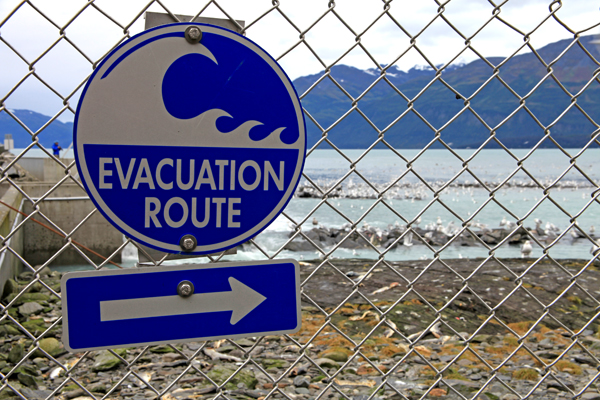
Photo: C. Grandpey
———————————————
 Following the powerful M8.8 earthquake off the coast of Kamchatka, a tsunami warning was issued in Hawaii shortly before 3 p.m. on July 29, 2025. But not everything went as planned. The Hawaiian news media tell about « a disaster ». In Honolulu, particularly in Waikiki, traffic ground to a halt with massive traffic jams, while sirens wailed, warning people to move away from the coast. At the same time, the National Weather Service issued the following message: « A tsunami has occurred and could cause damage along the coasts of all islands in the State of Hawaii. Urgent action must be taken to protect lives and property. »
The first forecasts predicted a series of powerful waves likely to hit the archipelago starting at 7 p.m., flooding the coasts on a large scale with significant amounts of debris that would « magnify their destructive power. »
An evacuation map published by the Service showed vast annular « red zones » along the coast of each island. Residents in these areas were instructed to seek shelter on the fourth or higher floors of a building, or to leave the area altogether.
On the evening of July 29, authorities announced that no major tsunami would hit the Hawaiian archipelago. The warning was downgraded, and evacuation orders were canceled statewide.
A cellphone video shared on social media shows gridlocked streets, with lines several kilometers long.
https://twitter.com/i/status/1950399163599876406
Clearly, a problem arose in the management of the evacuation plans. Some tourists moved to higher ground rather than climbing to the upper floors of hotels, as the evacuation plans had called for. Some residents went to stores to stock up on supplies, and many returned home after work to pick up supplies or meet with family members before evacuating. It also appears that some people questioned whether they should actually evacuate.
There are standard tsunami evacuation zones, as well as zones for « extreme » tsunamis in Hawaii. The July 29 evacuation was standard. Some residents fled, even though they were already in safe zones. It would have been preferable for these people to stay where they were and not drive, thus preventing those who really needed to leave the flood zones from traveling.
For authorities, this plan should therefore be revised in anticipation of the next tsunami warning.
Source: Hawaiian news media.
Streets filled with gridlock traffic and sirens blared in Honolulu as a tsunami warning came into effect for large parts of Hawaii..Activated following the M8.8 earthquake off the coast of Kamchatka, the alert upgraded to an emergency warning shortly before 3 p.m. (local time), sparking efforts to evacuate coastal areas across the state. The National Weather Service read as follows : “A tsunami has been generated that could cause damage along coastlines of all islands in the state of Hawaii. Urgent action should be taken to protect lives and property.”
Initial forecasts predicted a series of massive waves hitting the archipelago from 7 p.m. onward, extensively flooding coasts and picking up large amounts of debris that would “amplif(y) its destructive power.”
An evacuation map published by the service showed large, ring-shaped “red areas” along the coast of each island. Residents in those areas were instructed either to retreat to the fourth floor or higher of a large building, or flee the zone entirely.
By Tuesday night, officials said that a major tsunami was no longer expected to strike the islands, the warning was downgraded and evacuation orders were cancelled state-wide.
Cellphone video shared to social media shows piercing emergency sirens and streets filled with cars as Hawaiians struggled to get to safer ground. All the roads were gridlocked, with queues of vehicles over kilometers.
Obviously, something went wrong in the evacuation plans. Some tourists left for higher ground rather than shelter on upper floors of hotels as called for in evacuation plans. Some residents headed to stores for supplies, and many headed home after work to gather items or meet up with family members before evacuating. It also looks as if some residents were confused about whether they really needed to evacuate.
There are standard tsunami evacuation zones, as well as zones for “extreme” tsunamis in Hawaii. Tuesday’s was a standard evacuation; some residents who live in “extreme” tsunami zones fled as well, even though they were already in safe areas. It would have been more efficient for people to stay put if they were in a safe location, leaving the roads to those who needed to leave inundation zones.
Here is a short video showing the mess in Honolulu… :
https://twitter.com/i/status/1950399163599876406
Source : Hawaiian news media.
 Claude Grandpey : Volcans et Glaciers