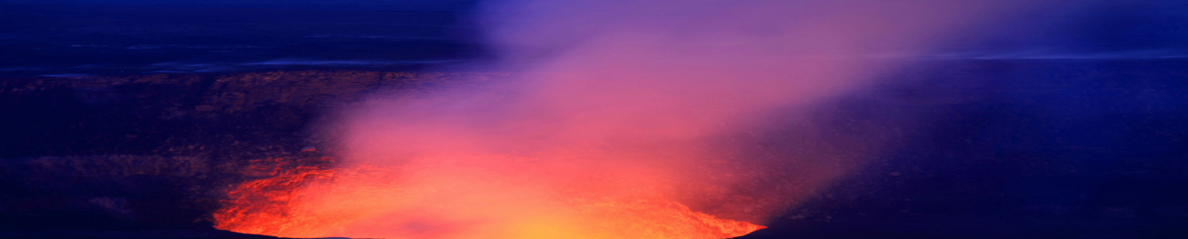
 Les jours se suivent et se ressemblent. La situation n’a guère évolué depuis le bulletin précédent concernant le volcan. Les panaches de cendre peuvent encore atteindre 6 km d’altitude, avec des retombées, en particulier sur un rayon de 10 km dans les secteurs SO, O, NO et NE. L’incandescence est toujours visible de nuit au sommet et des blocs rougeoyants propulsés par les explosions dévalent parfois les flancs du volcan sur 500 à 800 mètres. Comme au cours des dernières semaines, des rugissements et des « coups de canon » sont entendus presque quotidiennement. Les lahars empruntent souvent les barancos ; le 29 janvier dernier, ils coupèrent la route de Baños dans le secteur de Las Pampas au sud du volcan.
Source: Instituto Geofisico.
 It’s the same story about the volcano. Ash plumes are still rising to altitudes of about 6 km. Ashfall is reported daily in areas mainly within 10 km to the SW, W, NW, and NE. Incandescence can be often observed at the summit at night and incandescent blocks that are propelled by explosions may roll 500-800 m down the flanks. Like during the previous weeks, roaring noises and « cannon shots » can be heard almost daily. Lahars often descend drainages; on January 29th they blocked the road to Baños in the La Pampas sector to the S.
Source: Instituto Geofisico.
 Claude Grandpey : Volcans et Glaciers